Living abroad may be rewarding, but medical emergencies during natural disasters can quickly become overwhelming, especially when language barriers and different healthcare systems are complicated. For expatriates directing never-ending environments, communicable medicine cures, or care for family members, decent preparation is essential.
At Asian Travel and Medical Services (ATMS), we trust that staying conversant and planning can significantly reduce well-being risks during harsh weather events. Read the Japan medical tourism guide to learn about our essential medical readiness tips for long-term expats living in Japan.
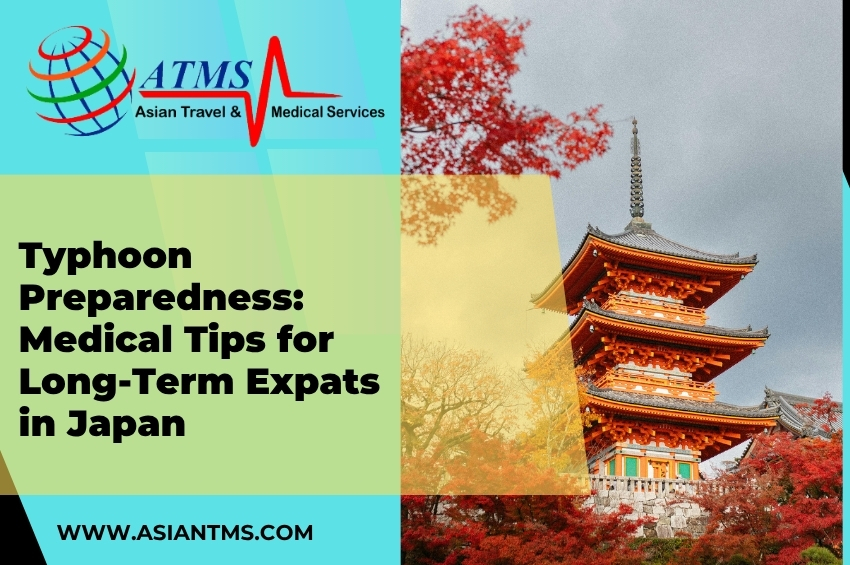
Understand the Risks of Typhoon Season
Typhoons can affect daily growth in several ways, including:
- Flooded roads and neighborhoods
- Train and flight cancellations
- Temporary closures of hospitals and pharmacies
- Power outages affecting healing devices
- Delays in emergency reaction services
- Increased risk of harm and waterborne illnesses
Although Japanese experts issue notices for expats who are new to the country. Preparing before a storm reaches is very important.
Typhoon Season Preparation Tips
- Emergency Medical Kit
Every expat household should have a dedicated healing emergency kit that can sustain the family for various days.
Your kit should involve:
- Basic first aid equipment
- Bandages and antiseptic wipes
- Thermometer
- Pain relievers and fever medication
- Prescription cures
- Spare eyeglasses or contact lenses
- Face masks and hand sanitizers
- Medical gloves
- Flashlights
2. Stock Up on Prescription Medications
One of the most important concerns during typhoon season is restricted access to pharmacies and wards.
If you rely on medications for environments such as:
- Diabetes
- High blood pressure
- Asthma
- Heart disease
- Thyroid disorders
- Mental health conditions
Try to uphold at least individual to two weeks of medication supplies on any occasion possible. If severe weather is forecast, refill prescriptions early or wait until the last minute.
At ATMS, we frequently assist away residents who surprisingly realize they are failing to take medications during crises. Our medical support for expats in Japan can help prevent needless stress and health complications.
3. Keep Digital and Physical Medical Records
Many expats assume they will forever have access to their healthcare information online. However, internet disruptions and capacity outages can occur during big storms.
We recommend consistency:
- A printed list of medications
- Copies of prescriptions
- Medical protection information
- Allergy analyses
- Emergency contacts
- Existing medical conditions
- Doctor and nursing home contact information
Store digital copies on your phone and hold printed copies inside your emergency provisions.
4. Prepare for Power Outages if You Use Medical Devices
Power interruptions can be specifically dangerous for individuals who rely on:
- Oxygen concentrators
- CPAP machines
- Mobility devices
- Refrigerated medications such as insulin
- Home listening equipment
If you use healing equipment, create a backup plan before typhoon season starts.
Consider:
- Portable battery packs
- Alternative charging procedures
- Backup accommodation plans
- Contact information for nearby hospitals
Knowing a place to seek help during prolonged capacity outages can provide mental freedom.
5. Know Your Nearest Medical Facilities
Typhoons can make travel difficult, and few healthcare facilities may operate on reduced schedules.
Before typhoon season, identify:
- The most familiar hospital
- The nearest emergency room
- Nearby pharmacies
- Clinics with English-expressive staff
- Local ambulance procedures
Save these locations on your telephone and write them down in your emergency preparation kit. At ATMS, we help expats to familiarize themselves with local healthcare provisions long before an emergency happens.
6. Drink a Lot of Water
Typhoon season causes wet weather and extreme humidity before and after storms. They should consider:
- Heat exhaustion
- Dehydration
- Gastrointestinal diseases
- Mold-related allergies
- Mosquito-borne contaminations
Store sufficient drinking water and avoid absorbing contaminated floodwater.
7. Evacuation Plan
If local authorities issue evacuation education, do not delay.
- Passport and residence card
- Medical records
- Prescription drugs
- Water and snacks
- Mobile chargers
- Basic emergency care supplies
- Personal hygiene parts
If you have mobility issues, never-ending illnesses, or require a normal medical situation, plan your evacuation arrangements earlier. We will also help you with medical evacuation Japan.
8. Support Family Members
Expats caring for youngsters, elderly parents, or family members with disabilities should form individualized emergency plans.
A family preparedness plan can considerably reduce disorientation during severe weather events.
9. Monitor Official Weather Updates
Japan’s weather forecasting and crisis warning systems are among the best in the world.
During storm season:
- Monitor weather reports regularly.
- Follow local government alerts.
- Pay attention to removal notices.
- Avoid unnecessary travel during severe weather.
Being informed allows you to make better determinations and seek healing assistance promptly if wanted.
How ATMS Supports Expats During Medical Emergencies in Japan
At Asian Travel and Medical Services, we understand the unique challenges confronted by long-term expats in Japan.
Whether you need help understanding medical processes, locating healthcare resources, or coordinating healing support during a difficult position, we are committed to helping expatriates and their families throughout Japan.
Contact Us
At ATMS, we encourage each long-term expat to take proactive steps before cyclone season reaches. A little preparation today can help you look after your strength, defeat stress, and help you stay safe when surprising situations arise. You can also contact our experts in ATMS for more information about emergency hospital help for tourists in Japan.