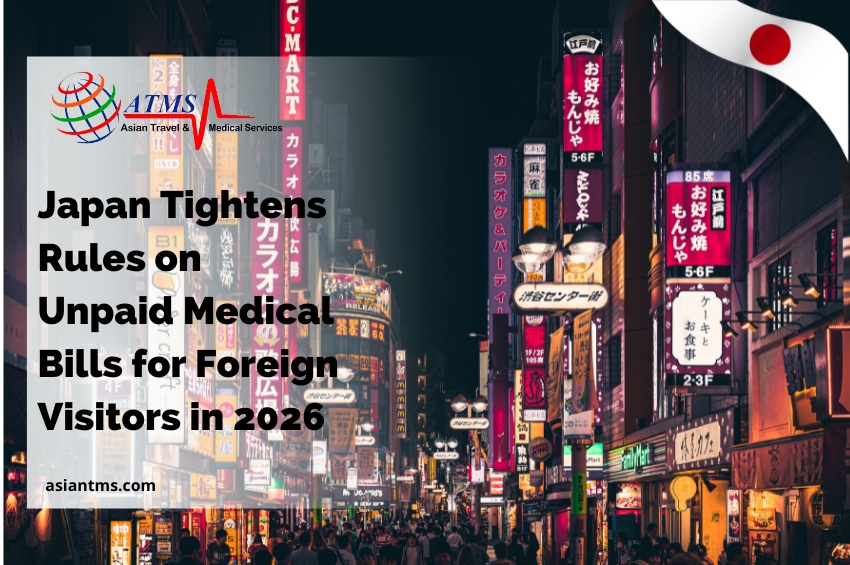
Japan has long been recognized for its chief healthcare system, advanced hospitals, high healthcare guidelines, and efficient emergency care services. Every year, large numbers of worldwide tourists, trade travelers, students, and expatriates visit the country for tourism, work, education, and healing treatment.
However, in 2026, Japan introduced more correct measures regarding free medical bills involving strange visitors. The revised procedures have attracted significant international consideration and started discussions among travelers, healthcare providers, and tourism experts worldwide.
At Asian Travel and Medical Services (ATMS), we learn how important it is for worldwide travelers to get emergency medical services in Japan. Medical crises can happen surprisingly during travel, and understanding how Japan’s healthcare scheme works has enhance increasingly important for visitors in 2026.
Why Japan Is Tightening Rules on Unpaid Medical Bills
Japan’s government recently declared plans to strengthen access screening and immigration checks for foreign visitors who leave free medical bills behind afterwards receiving treatment in the country. Reports display that authorities are considering lowering the reporting opening for unpaid medical expenses from ¥200,000 to as little as ¥10,000.
Under the updated measures, visitors with outstanding unpaid medical payments may face stricter emigration screening or possible denial of future entry into Japan.
The Japanese management introduced these discussions as worldwide tourism continues to rise briskly following the reopening of global travel. Hospitals across Japan have stated increasing challenges involving free treatment costs for foreign patients.
Authorities believe these measures are unavoidable to protect Japan’s healthcare infrastructure and decrease financial pressure on nursing homes and clinics treating worldwide patients.
Increasing Tourist Pressure
According to reports referenced by Japanese media, millions of foreign visitors inquire about medical treatment in Japan, including dangerous care for:
- Road accidents
- Sports injuries
- Sudden diseases
- Heatstroke
- Food poisoning
- Travel-accompanying injuries
This position has become a growing concern for nursing homes, already directing high operational costs and growing patient demand.
Language and Communication Challenges Often Contribute to Payment Problems
One important issue highlighted in current studies is that unpaid healing bills are not always caused by deliberate nonpayment.
- Language hurdles
- Misunderstanding of hospital processes
- Difficulty understanding treatment costs
- Emergency medical positions
- Communication gaps during clinic discharge
- International payment confusions
A recent medical review written in Japan explained that cultural and style barriers repeatedly complicate treatment and advertising procedures for foreign patients. In emergencies, travelers may accept an urgent situation before fully understanding hospital costs, advertising procedures, or follow-up necessities.
This is why professional healing coordination and support services have become increasingly valuable for worldwide visitors traveling in Japan. You can also hire us if you need a medical repatriation services provider in Japan.
Why Foreign Travelers Should Take Japan’s New Rules Seriously
Japan’s healthcare system is known for professionalism and superior medical care. However, many tourists are unfamiliar with how healing procedures work after a danger occurs.
Some sightseers incorrectly assume that nursing homes will automatically coordinate worldwide payments or overseas advertising arrangements. Others may leave Japan before nursing home billing processes are achieved.
Under Japan’s stricter 2026 policies, travelers who fail to resolve voluntary medical expenses could face future immigration complications when attempting to frequent the country.
For frequent travelers, business pros, students, and long-term visitors, this could constitute significant travel difficulties later. At ATMS, we encourage travelers to always write clearly accompanying healthcare providers and seek professional assistance at any time medical crises occur abroad.
Common Medical Situations Faced by Travelers in Japan
Medical crises in Japan can happen unexpectedly, particularly for travelers inexperienced local conditions, transportation orders, climate, or healthcare procedures.
Some of the most common healing situations affecting worldwide visitors include:
- Winter Injuries
Ski resorts and snowy regions like Hokkaido attract international foreigners during winter seasons, growing sports-related injuries and fractures.
- Sudden Health Emergencies
Heart problems, respiratory difficulties, contamination, or chronic medical conditions may require immediate hospital care throughout travel.
When these situations occur, travelers often face additional stress on account of unfamiliar healthcare orders and communication difficulties.
How ATMs Support International Travelers in Japan
At our Medical Services provider in Japan, we comprehend how overwhelming healing emergencies can become in a foreign country. Our goal is to help travelers receive trustworthy medical support and guidance, all the while in stressful positions in Japan.
We assist international visitors through aids such as:
- Emergency Medical Coordination
We help travelers do business with appropriate hospitals and healthcare providers based on their medical needs and locale.
- Hospital Assistance
We help simplify communication and arrangements whenever possible.
- Language Support Assistance
Communication barriers remain one of the greatest challenges during healing emergencies. We assist travelers in reconstructing communication with healing providers.
- Emergency Transportation Support
When urgent transport is necessary, we help coordinate suitable medical conveyance arrangements.
- Medical Appointment Assistance
We assist with organizing doctor consultations, follow-up visits, and immediate medical appointments for commuters.
- Family Coordination Support
Medical emergencies often cause stress for families and travel companions. We help provide guidance and support, all the while in difficult situations.
Hospitals in Japan Are Facing Operational Challenges
Japanese nursing homes continue working hard to specify treatment for both residents and international callers. However, rising tourism numbers are putting pressure on medical organizations.
Reports from Japanese healthcare organizations indicate that many clinics have experienced at least a few levels of unpaid advertising involving foreign subjects.
At the same time, online discussions in Japan show that the issue is more intricate than many headlines suggest. Some cases include misunderstandings, delayed ideas, emergency treatment situations, or advertising complications rather than deliberate avoidance.
This highlights the importance of proper healing coordination and clear communication between hospitals and patients worldwide.
Why Medical Support Services Matter More Than Ever
As healthcare regulations become stricter, travelers visiting Japan need to be better prepared before health emergencies happen.
Professional healing assistance services can help companies:
- Understand healthcare procedures
- Locatesuitable clinics quickly
- Reduce ideas confusion
- Receive faster emergencyarrangements
- Understand discharge procedures
- Avoid unnecessary travel obstacles
At ATMS, our Medical Assistance provider in Japan believes travelers should focus on improvement and safety instead of fighting with difficult medical systems during emergencies.
Contact Us
For international companies, the message is clear: understanding healthcare processes and seeking reliable healing support during emergencies should be more important than ever.
At Asian Travel and Medical Services (ATMS), we stay committed to helping travelers receive reliable medical assistance and arrangement services throughout Japan. From emergency medical support and clinic coordination to communication help and travel-related healthcare counseling, we are here to help international companies navigate medical positions more smoothly and positively.